Overview
What happens to your brain cells under stress, and what this means for understanding mental illness.
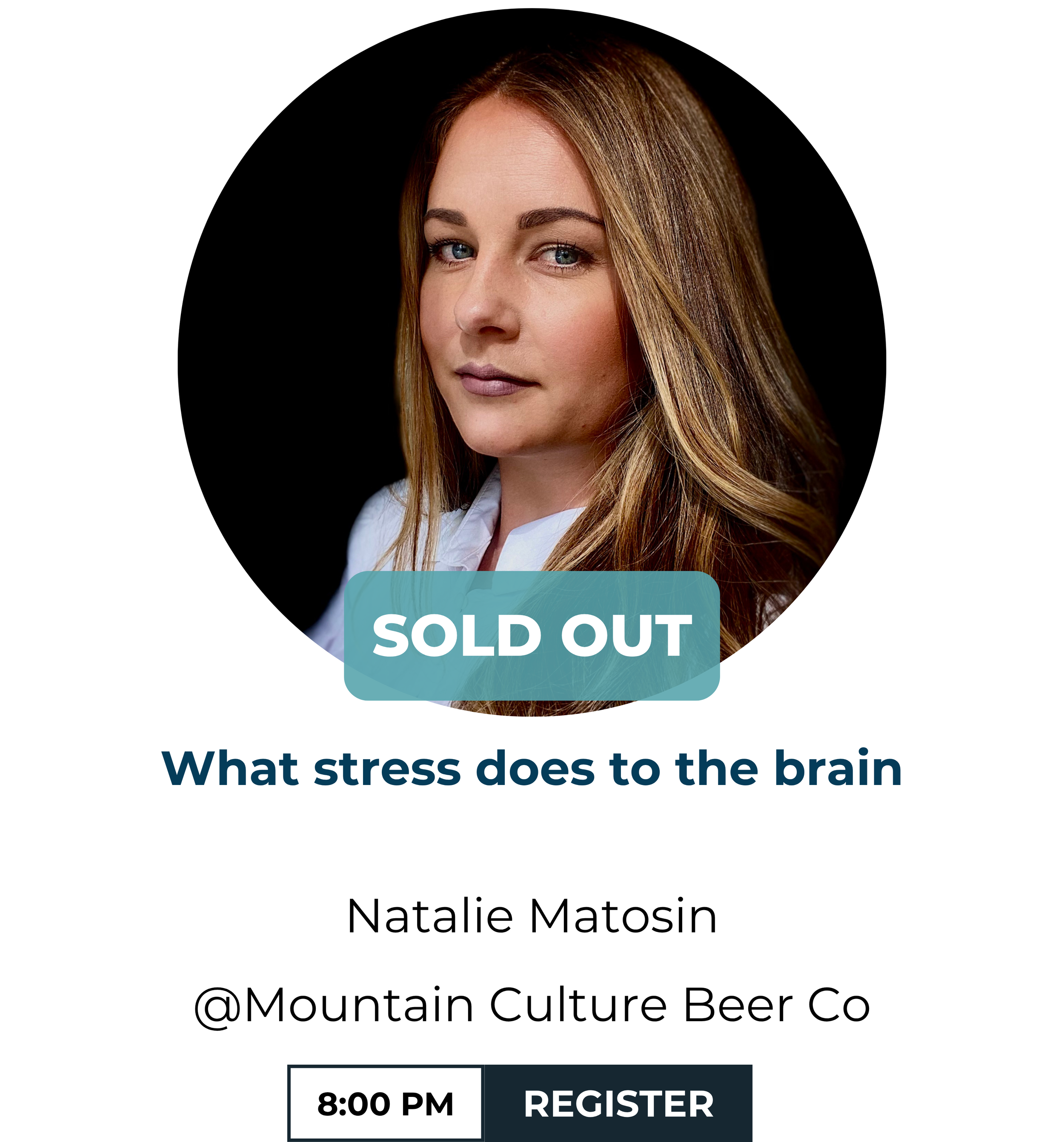
What stress does to the brain
Stress is more than a feeling. Under sustained pressure, the brain changes physically in ways that raise the risk of depression, PTSD, and schizophrenia. Understanding why some brains are more affected than others has been one of the field's most challenging questions.
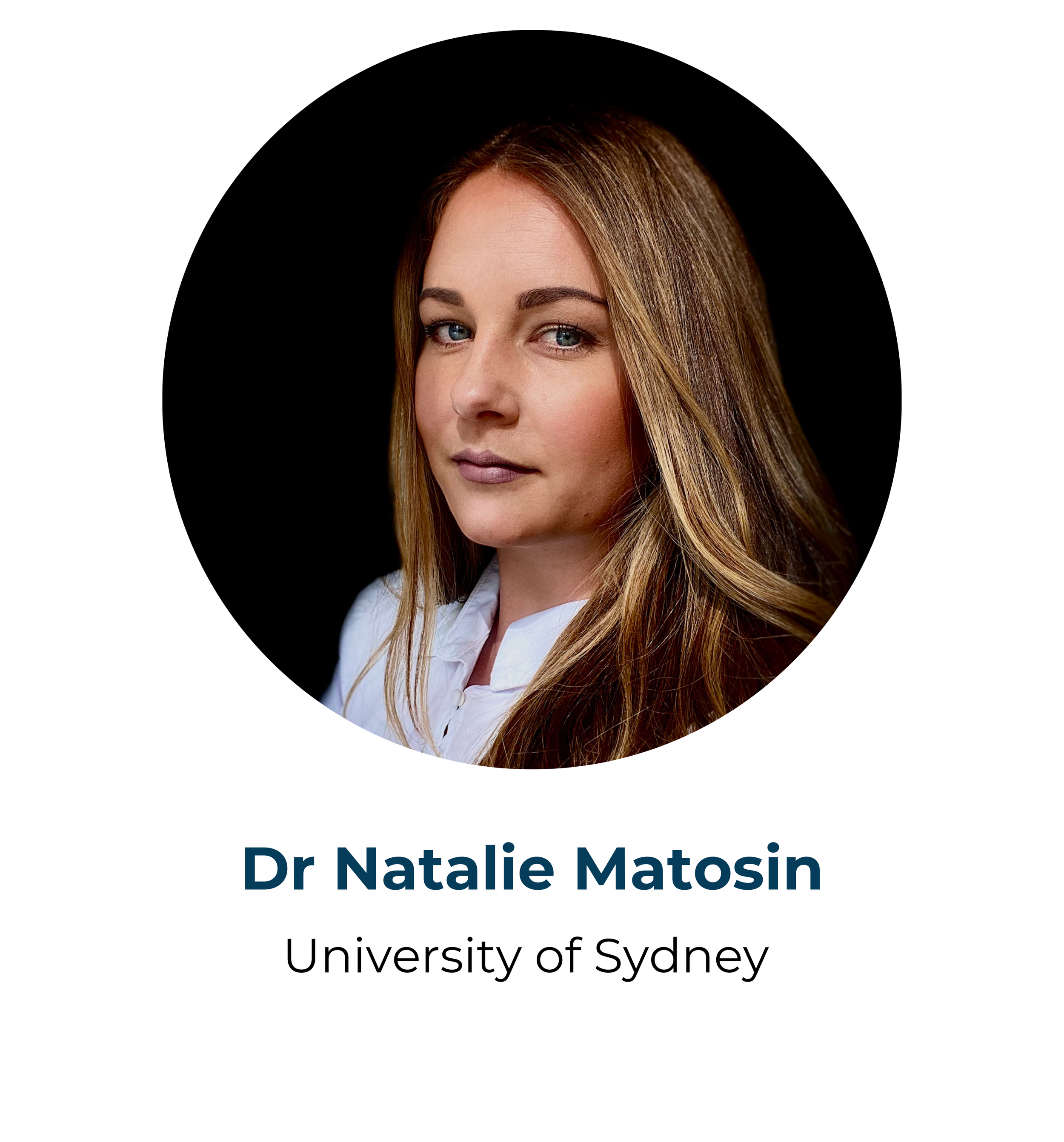
Natalie Matosin has spent 15 years studying donated human brains, mapping the cellular and molecular marks that stress and trauma leave behind. Her work is opening new possibilities for earlier detection and better treatment of mental illness. So if we can map these changes, can we intervene earlier, or even prevent them?
Bio
Dr Natalie Matosin is a Senior Lecturer and Sydney Horizon Fellow at the University of Sydney, where she directs the MINDS Lab at the Charles Perkins Centre. She has spent 15 years studying the human brain at a resolution not possible in the living, using single-cell and spatial technologies to map how stress and trauma drive psychiatric disorders including depression, PTSD, and schizophrenia. Her commitment to this work was shaped by witnessing the Syrian refugee crisis firsthand during postdoctoral training at the Max Planck Institute of Psychiatry in Munich. She has been recognised by the A.W. Campbell Medal, the Aubrey Lewis Award, and Forbes 30 Under 30 in Science and Healthcare.
Event
Thursday 7 May, 8:00 – 8:45 PM @Mountain Culture Beer Co, 158 Regent St, Redfern NSW 2016
The other talk at this location is How can we make housing more equitable? at 6:30 – 7:15 PM
Good to Know
Seating:
This event is designed for a mix of both seated and standing audiences. Seating is non-allocated, please arrive early if required.
Accessibility:
Mountain Culture Brewery has accessible entrances and restrooms.