Feeding everyone no matter what
What would happen if a supervolcano blocked the sun, a solar storm knocked out electricity, or a devastating pandemic swept the globe? Would humanity be able to survive?
Discover the surprising solutions scientists are investigating to help meet everyone's basic needs after a global catastrophe. From seaweed, leaves and wood that could become food, to low-tech ways of producing power, accessing clean water and slowing the spread of disease, this talk explores what's already possible—and how close we really are to being prepared.
Bio
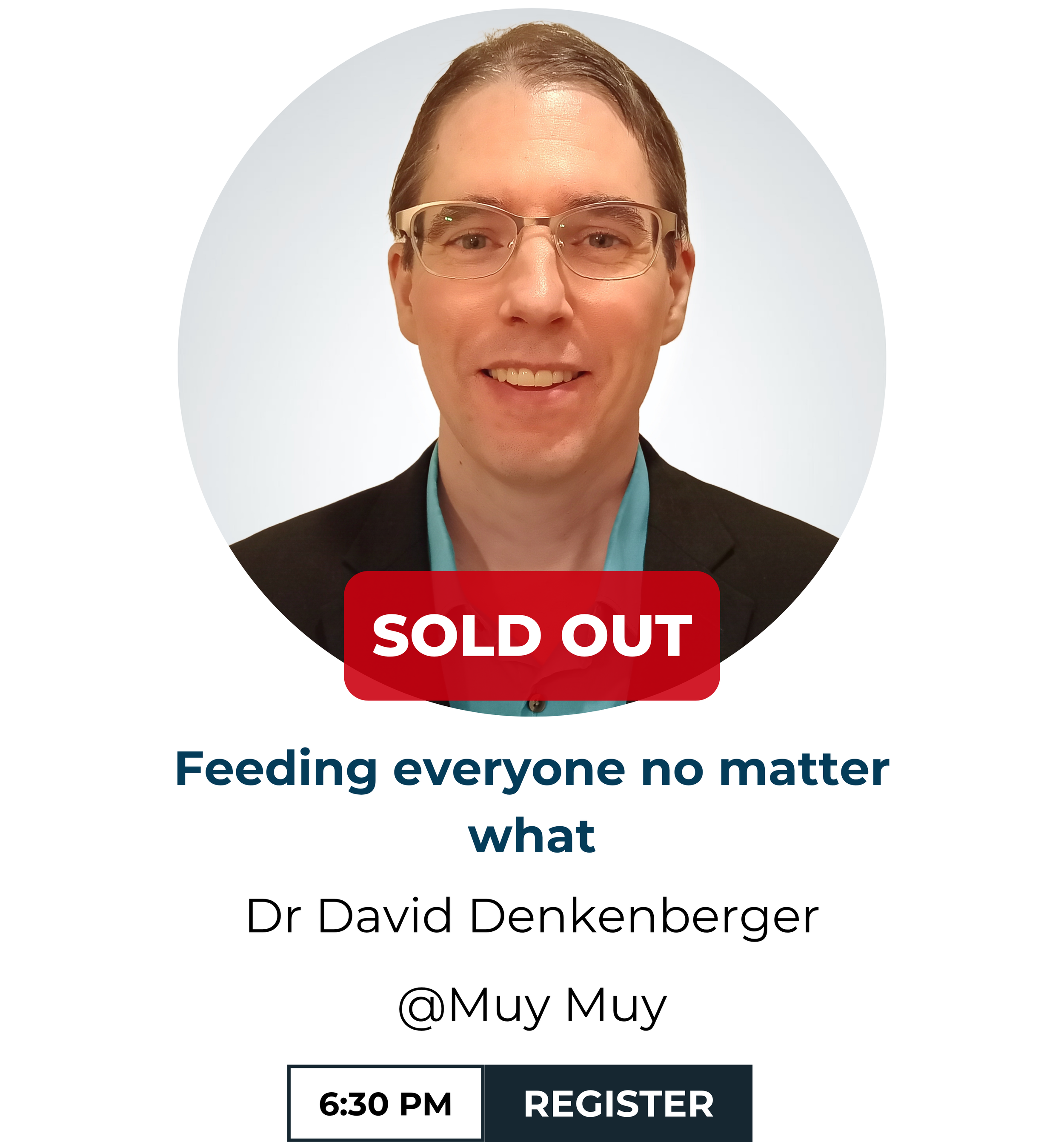
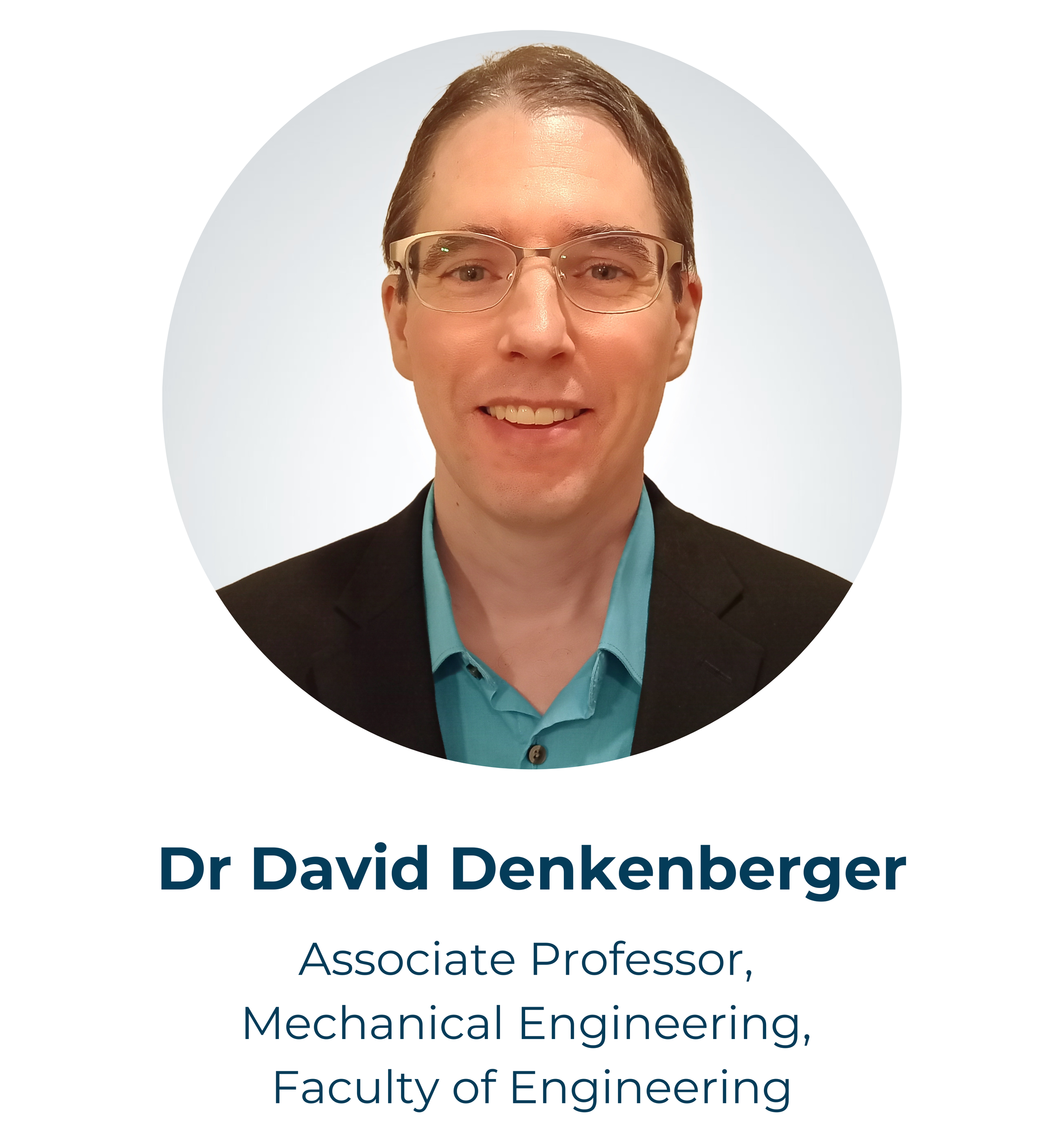
Dr David Denkenberger is an Associate Professor at the University of Canterbury. He holds a master's degree in Mechanical and Aerospace Engineering from Princeton University and a PhD from the University of Colorado, where his doctoral research focused on a patented heat exchanger.
He is co-founder and Research Director of the Alliance to Feed the Earth in Disasters (ALLFED), to which he donates half his income. David has published more than 100 peer-reviewed papers and is the most published author in the field of global catastrophic risk. His research has been featured in more than 300 articles across 25 countries, and he has delivered more than 90 invited presentations, including at nine of the world's top 20 universities.
Event
Tuesday, 15 September 2026, 6:30pm – 7:30pm @Muy Muy, 44 Welles Street, Christchurch Central 8011
The other talk at this location is Ageing strong: Why muscle matters at 8:00pm – 9:00pm